

Sales Operations: The Unglamorous Function That Decides Your Number
- Sales operations is the function that owns the machinery of selling: the process, the tooling, the forecast, the data, and the comp plan. It rarely closes a deal, and it quietly decides whether the rest of the team can.
- The case for it is hiding in plain sight. Reps spend only 28% of their week actually selling, with the rest swallowed by admin and data entry, per Salesforce's State of Sales research. Sales ops exists to shrink that gap.
- Forecasting lives or dies on data hygiene. Gartner finds that companies which clean up their CRM can lift forecast accuracy by up to 30%, as cited in Forecastio's forecasting accuracy guide.
- It is also where the money goes when alignment works. Gartner projects 75% of the highest-growth companies will run a revenue-operations model, the discipline sales ops grew into, in its RevOps forecast.
- AI changes the labor, not the mandate. The boring, repeatable parts of sales ops are exactly what automation is good at, which frees the function to do the judgment work it was always supposed to.
If you want to know whether a sales team will hit its number, do not start with the reps. Start with sales operations, the unglamorous function that decides whether the number was ever reachable in the first place. Sales operations owns the plumbing of revenue: the pipeline stages, the CRM, the forecast model, the territory maps, and the compensation plan that tells everyone what to chase. None of that shows up in a highlight reel. All of it determines whether the highlight reel happens.
I have a soft spot for sales ops because it is the function everyone forgets until it breaks. Marketing gets the brand. Sales gets the glory and the President's Club trip. Sales ops gets a Slack message at 4:55 on the last Friday of the quarter asking why the forecast is off by two million dollars. The honest answer is usually that it was off all quarter, and nobody was looking at the right number. That is the job: making sure the right number exists, is trustworthy, and is visible before the last Friday.
This article is about what sales ops actually owns, why it silently controls whether targets get hit, and how AI is rearranging the work without removing the need for it.
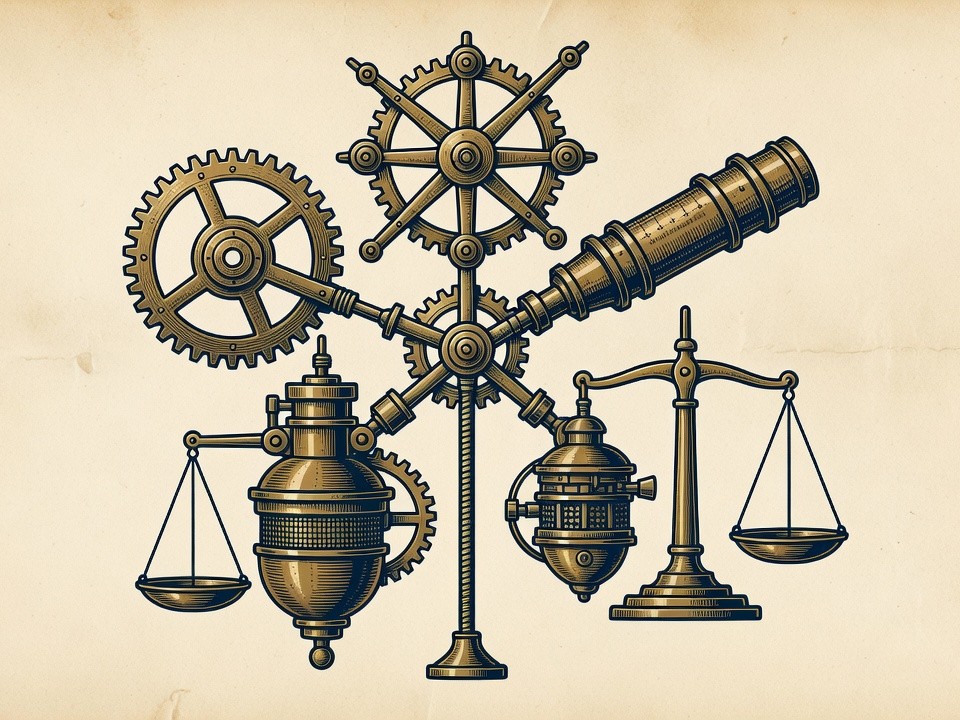
What Sales Operations Actually Owns
Sales operations owns the system that turns selling effort into predictable revenue: process design, tooling, forecasting, data hygiene, and compensation. Those five things are the levers. Pull them well and a mediocre team hits quota. Pull them badly and your best closers spend their afternoons fighting a CRM instead of a competitor.
Start with process and tooling, because that is where the waste is most visible. Reps spend just 28% of their week selling, with the majority of their time eaten by deal management and data entry, according to Salesforce's State of Sales research. That same research found reps partner more often with sales operations than with any other internal team, ahead of even other sellers and marketing. Read that twice. The function reps lean on most is the one designed to give them their time back. When sales ops simplifies the tech stack, kills a redundant approval step, or automates the data entry, it is not doing housekeeping. It is manufacturing selling hours that did not exist before.
Then there is comp, which is the most underrated lever in the building. The compensation plan is a sentence in spreadsheet form that tells every rep exactly what behavior pays. Get it right and the plan sells the strategy for you. Get it wrong and you have accidentally paid your team to chase small renewals while the big logos you actually needed go cold. Sales ops writes that sentence, models its second-order effects, and lives with the consequences. It is part economics, part behavioral psychology, and entirely consequential.
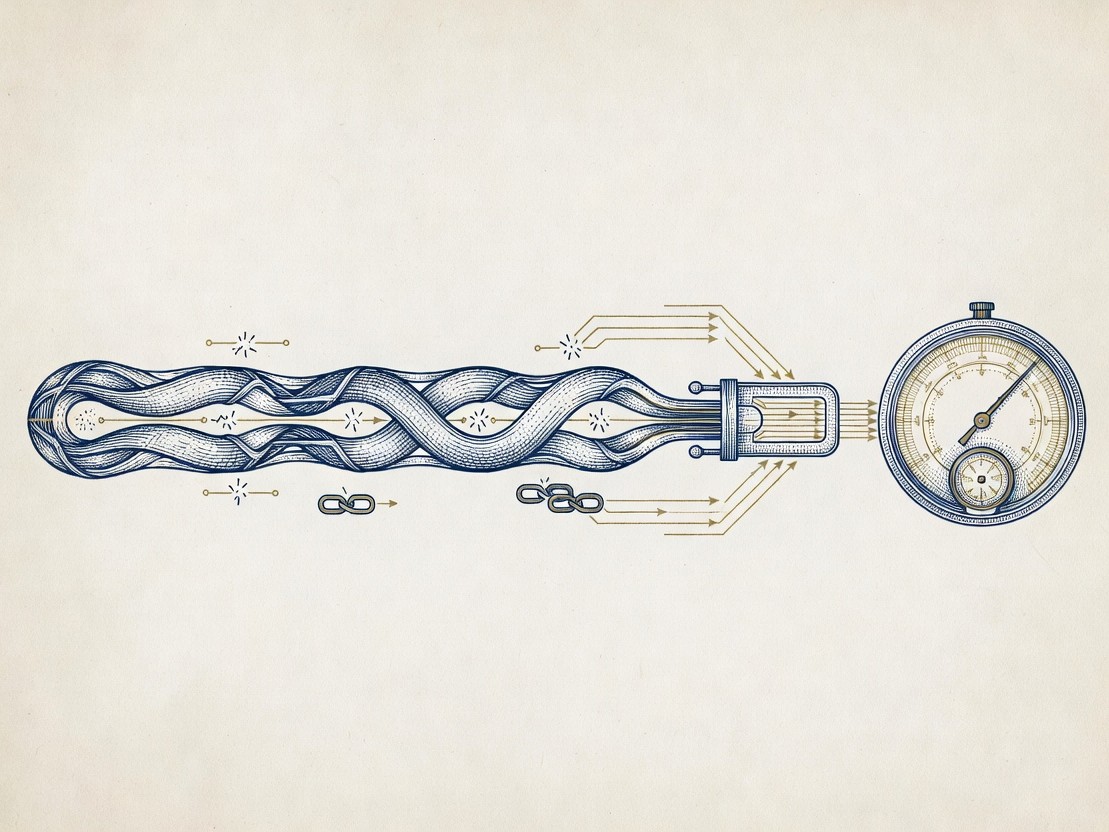
Why It Quietly Decides Whether You Hit the Number
Sales ops decides the number because it owns the forecast, and the forecast is only as honest as the data feeding it. This is the part that breaks quietly. A forecast is not a guess about the future. It is a calculation built on the state of the pipeline right now, and if that pipeline is full of stale close dates, missing fields, and deals two reps each think they own, the calculation is fiction with a decimal point.
The data backs this up with uncomfortable precision. Gartner finds that companies which improve their CRM data hygiene can lift forecast accuracy by up to 30%, as documented in Forecastio's forecasting guide. Thirty percent is the difference between a board meeting where you explain a beat and one where you explain a miss. The model was probably fine. The inputs were not, and keeping the inputs clean is sales ops work that nobody applauds and everybody depends on.
This is also why the function has been quietly promoted. As selling got harder, sales ops moved from back office to strategy table: in companies with a sales ops function, 65% of sales leaders now call it a key player in defining strategy, up from 54%, per Salesforce's research. The escalation makes sense once you see the leverage. A great rep moves their own number. A great sales ops team moves the conditions under which every rep operates, which is a much bigger lever to be holding. The discipline has scaled up into revenue operations for exactly this reason, and Gartner expects 75% of the highest-growth companies in the world to deploy a RevOps model, in its widely cited forecast. High growth and operational discipline keep showing up together, and that is not a coincidence.
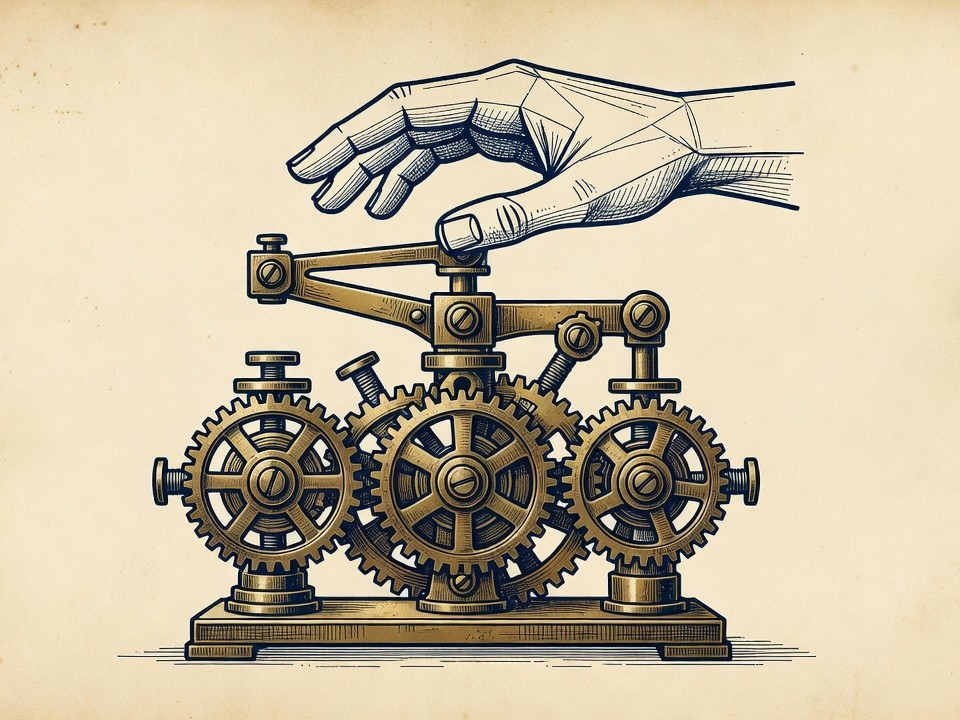
How AI and Automation Change the Job
AI changes sales operations by absorbing the repetitive maintenance work, the data entry and cleanup and report assembly, and leaving the judgment to the humans who were always supposed to be doing it. That is the honest version of the AI story here. It is not that sales ops disappears. It is that the parts of sales ops that felt like janitorial duty stop requiring a person.
The newest data shows the function leaning into exactly this. In Salesforce's 2026 State of Sales report, 74% of sales professionals say they are focused on data cleansing, the unglamorous work of removing duplicates and standardizing formats across siloed systems, specifically to make their AI investments pay off. The split between winners and everyone else is stark: 79% of high performers prioritize data hygiene versus only 54% of underperformers. The same report found the average seller now spends about 40% of their time selling, an improvement, but the gap between intention and reality is still where sales ops earns its keep.
Here is the part I want to underline, because it is where companies go wrong. AI does not fix a broken sales operation. It accelerates whatever operation you already have. Point a forecasting model at dirty data and you get wrong answers faster and with more confidence, which is worse than slow and uncertain. More than half of sales leaders with AI say disconnected systems are slowing their AI initiatives down, per that same Salesforce report. The clean process and the unified data that sales ops builds are not a nice-to-have you do after the AI. They are the precondition for the AI doing anything useful at all. So the job is not going away. It is moving up the value curve, from doing the maintenance to designing the system that makes the maintenance automatic, and from filling in the forecast to owning why the forecast can be trusted.
If you are staring at a sales operation where your best people spend their days on data entry and your forecast is a quarterly act of faith, that is usually the tell that there is a system worth building. Book a Systems Diagnostic Call and we will find the lever worth pulling first.
Frequently Asked Questions
What Is Sales Operations?
Sales operations is the function that owns the systems behind selling: process design, the tooling and CRM, forecasting, data hygiene, and the compensation plan. Its job is to make the sales team more productive and the revenue forecast more reliable, so reps can spend their time selling instead of fighting administrative friction.
What Does a Sales Operations Team Actually Do Day to Day?
A sales ops team maintains the CRM and keeps its data clean, designs and refines the sales process and pipeline stages, builds and runs the forecast, sets territories and quotas, administers the compensation plan, and reports on performance. In practice, much of the week is spent removing friction so reps can sell and making sure leadership is looking at numbers they can trust.
What Is the Difference Between Sales Operations and Revenue Operations?
Sales operations focuses on the sales team specifically. Revenue operations, or RevOps, unifies sales, marketing, and customer success operations under one model so the whole revenue engine runs on aligned data and process. RevOps is essentially sales ops grown up to own the entire customer journey rather than just the selling stage.
How Does Sales Operations Improve Forecast Accuracy?
By controlling data hygiene and process discipline. A forecast is a calculation built on current pipeline data, so stale close dates and missing fields produce confident-looking but wrong predictions. Gartner finds that improving CRM data hygiene can lift forecast accuracy by up to 30%, which is largely sales ops work.
Will AI Replace Sales Operations?
No. AI automates the repetitive maintenance inside sales operations, like data cleanup and report assembly, but it amplifies whatever process and data quality already exist. Pointed at messy data, AI produces wrong answers faster. That makes the clean systems sales ops builds more valuable, not less, and shifts the role toward designing and governing those systems.
References
- Salesforce: New Research Reveals Sales Reps Spend Less than 30% of Their Time Selling (State of Sales)
- Salesforce: The Productivity Gap: 2026 State of Sales report
- Gartner: 75% of the highest-growth companies will deploy a RevOps model
- Forecastio: Sales Forecasting Accuracy Guide (CRM data hygiene and forecast accuracy)